Chip extraction

Chip extractors, air purifiers, central extraction systems and other extraction equipment for a cleaner working environment.

Collection of solid particles from machinery

Chip extraction systems are used to collect chips, dust and other solid waste products from woodworking, metalworking and plastics processing. Extraction points are positioned close to tools and machinery to convey the material through a duct system to a central collection unit.

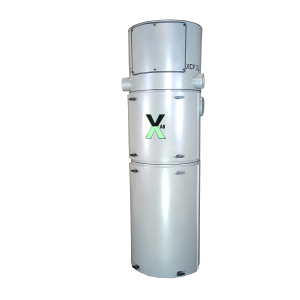
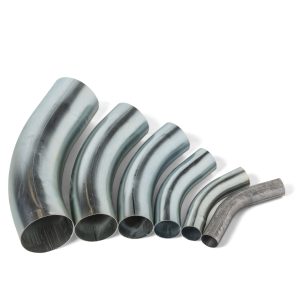
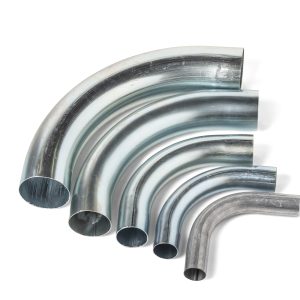
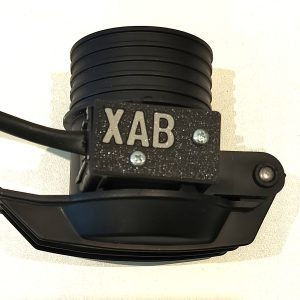
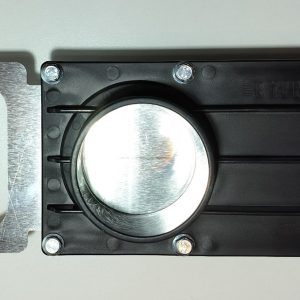
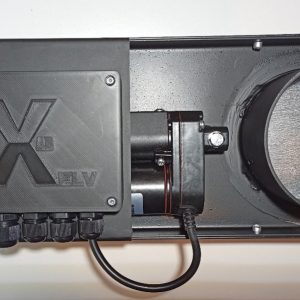
A chip extraction system usually consists of several interlinked components. Filter units separate particles from the air flow, fans create the negative pressure that drives the system, chip extraction pipes transport the material through the system, and valves control the air flow between different machines or extraction points. Correct sizing is important to ensure that the system provides sufficient suction power without unnecessary energy consumption.

Contact XAB

Would you like to find out more about what we can do for you? Fill in the form and we’ll get back to you shortly. You’re always welcome to send us an email info@spånsugar.se or give us a call +46 79-202 59 60

Cylindrical design with practical benefits

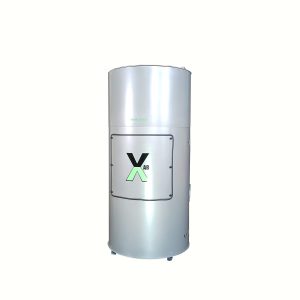
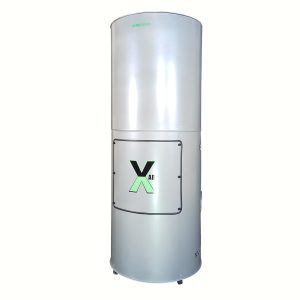
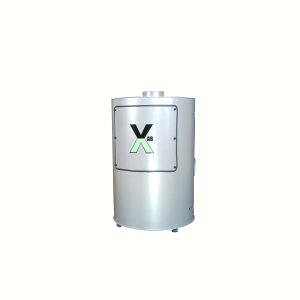
XAB chip extraction units are designed with a cylindrical construction. The round shape results in a stable and compact unit in which loads and pressure are distributed more evenly across the structure. This contributes to lower weight, better use of materials and a more durable construction compared with angular designs featuring more corners, joints and reinforcement points.

The cylindrical design also saves space, particularly in plant rooms or when connecting to circular duct systems. This makes the solution practical in environments where the installation needs to be adapted to existing machinery, limited space or specific requirements regarding accessibility for servicing.

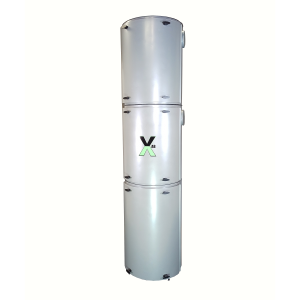
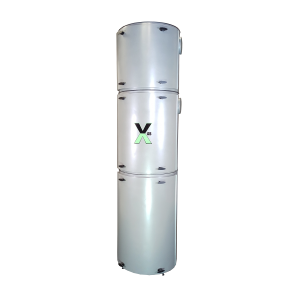
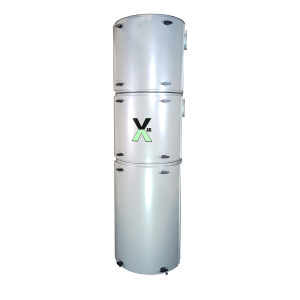
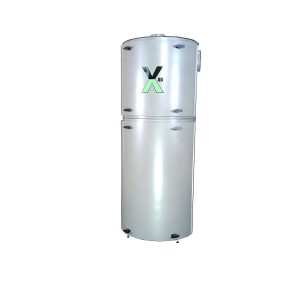
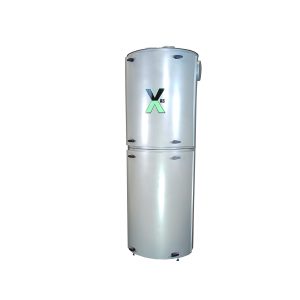
Filter unit – XC 240 XAB chip extractor

Filter units

Fans

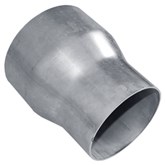
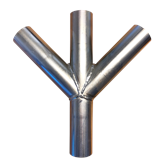
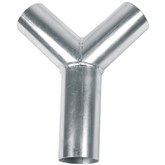
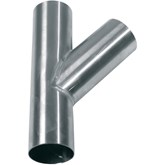
Chip suction pipe

How does a chip extractor work?

When a machine processes wood, metal or plastic, chips and dust are released at the point of processing. The chip extractor captures the material close to the source and transports it through a pipework system to a filter or collection unit. There, the particles are separated from the air before the material is collected for emptying, handling or further processing.

This reduces the amount of airborne particles in the room, whilst keeping work surfaces, machinery and surrounding equipment cleaner.

Find out more about how chip extractors work here.

A description of how a chip extractor works

Process ventilation and health and safety

Wood shavings and dust in the workplace can affect air quality, safety and day-to-day operations. The Swedish Work Environment Authority emphasises that process ventilation should be used when pollutants are generated during a work process, and that these pollutants should be captured as close to the source as possible. For businesses where wood shavings, dust or other particles are generated, local exhaust ventilation and properly designed process ventilation are therefore an important part of health and safety management.

It is not just a matter of installing a chip extraction system, but also of ensuring that the system is tailored to the machines, materials, airflows and the layout of the premises. Regular checks and servicing are required to maintain functionality, detect leaks, ensure filter capacity and prevent dust from spreading throughout the premises.

Find out more on the Swedish Work Environment Authority’s website.

Our products

We supply chip extractors, central vacuum systems and steel extraction systems tailored for workshops, schools and industrial facilities. Our range includes both individual components and complete systems for process ventilation and localised extraction.

Our services

The service work involves the inspection, adjustment and maintenance of existing extraction and ventilation systems from various manufacturers. The work is documented to provide a clear overview of the system’s status and planned measures.

Design

The design process takes into account the layout of the premises, the positioning of equipment and air flow requirements in order to produce technical documentation for the installation. Drawings and dimensioning are used to guide the installation and commissioning of the system.

Scroll to Top